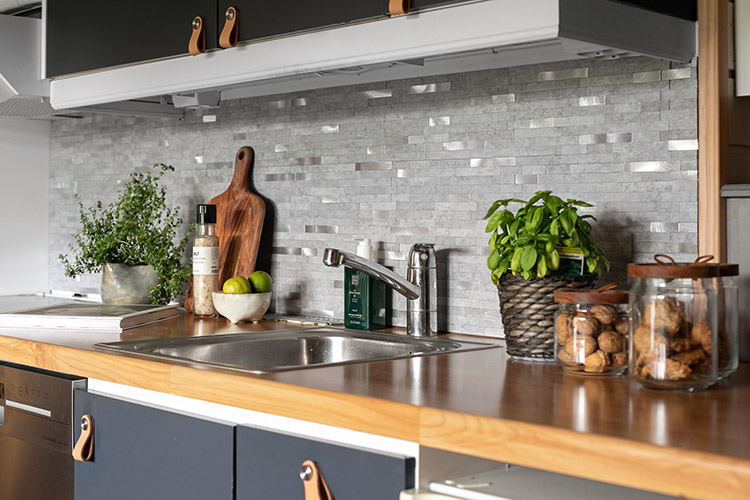
Different Handles Of Faucets
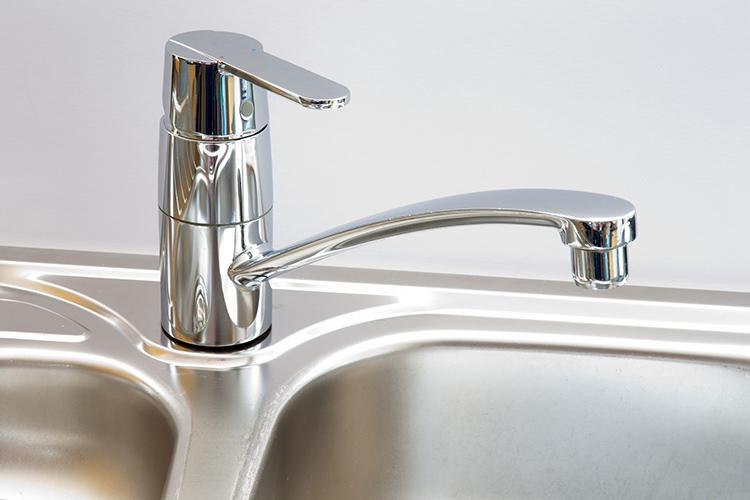
When it comes to faucets, the handle is a crucial element that influences both the function and aesthetics of a bathroom or kitchen. Different types of faucet handles not only provide various levels of control and comfort, but they also reflect specific design philosophies and needs. This article will explore five distinct types of faucet handles—lever, cross, blade, single handle, and knob—and analyze their design, pros and cons, and the inspirations behind each. We'll also discuss real-world examples to help guide your choice when selecting a faucet handle.
- Lever Handle

Overview:
The lever handle is one of the most commonly used faucet handle designs. It consists of a long, simple lever, often mounted on a post, that pivots up and down or left and right to control the water flow and temperature.
Design Inspiration:
The design of the lever handle is inspired by the mechanical principles of levers used in engineering. The lever provides greater control with minimal effort, making it a practical solution for a wide variety of uses. Its roots can be traced to both industrial machinery and early plumbing fixtures where simple yet effective mechanisms were needed.
Pros:
- Ease of Use: Lever handles are user-friendly, especially for those with limited hand strength or mobility. They can be operated with a simple push or pull, making them ideal for people with arthritis or joint pain.
- Precise Control: When paired with a two-handle setup (one for hot and one for cold), lever handles offer precise control over water temperature and flow.
- Versatility: Available in numerous styles and materials, lever handles can fit with various decor themes, from modern to traditional designs.
- Durability: Lever handles are often constructed from high-quality materials such as brass or stainless steel, ensuring longevity.
Cons:
- Water Spots and Fingerprints: The smooth, flat surface of the lever can show water spots and fingerprints, especially in finishes like chrome or stainless steel.
- Potential for Wear: Over time, constant movement can cause wear, leading to a reduction in the handle’s smooth functionality.
Examples:
Lever handles are widely used in both kitchens and bathrooms, often found in commercial spaces like restaurants and public restrooms due to their durability and ease of use. Popular faucet brands like Delta and Moen incorporate lever handles in their models for both residential and commercial applications.
- Cross Handle

Overview:
The cross handle consists of two knobs, each shaped like a cross or "X," that control the hot and cold water. This classic design requires users to twist each knob individually to adjust the water temperature and flow.
Design Inspiration:
The cross handle is rooted in vintage and retro plumbing designs, dating back to the early 20th century when the first plumbing fixtures were installed in homes. Its cross shape is inspired by the mechanical turning mechanism, providing users with a tactile, traditional experience.
Pros:
- Timeless Aesthetic: The cross handle is perfect for users who want to evoke a sense of nostalgia or for those designing a vintage-inspired bathroom or kitchen.
- Precise Temperature Control: The separate hot and cold knobs allow users to have exact control over the water temperature.
- Durability: Cross handles are typically made from sturdy metals like brass, which ensures longevity and resistance to wear.
Cons:
- Difficult for Some Users: Cross handles require more effort to turn, which can be challenging for individuals with arthritis or limited hand strength.
- Temperature Adjustment Takes Time: Fine-tuning the temperature with two separate knobs can be time-consuming, especially if the handle's internal valve is worn down.
- Leak Potential: Over time, cross handles may develop leaks if the washers or seals deteriorate.
Examples:
Cross handles are commonly seen in traditional or vintage-style faucets, such as those used in high-end luxury hotels or retro-inspired home bathrooms. Brands like Kohler and American Standard often feature cross handle designs in their collections for classic appeal.
- Blade Handle

Overview:
The blade handle is a sleek, elongated lever designed for both modern and minimalist aesthetics. It is typically a flat, narrow handle that moves in a simple back-and-forth or side-to-side motion to adjust water flow and temperature.
Design Inspiration:
The blade handle draws inspiration from industrial design and the desire for a streamlined, functional piece. The simplicity of the blade handle aligns with the growing trend for clean, minimal designs that reduce clutter and excess in modern interiors.
Pros:
- Sleek and Modern Aesthetic: Blade handles are often chosen for their sleek, contemporary look, making them a perfect choice for modern bathrooms or kitchens.
- Space-Efficient: Blade handles often have a low profile and are designed to take up minimal space, ideal for smaller sinks or countertops.
- Ease of Use: Their smooth, linear movement is easy to operate with minimal effort, making them accessible for individuals with mobility challenges.
Cons:
- Limited Temperature Control: Like lever handles, blade handles are often part of a single-control system, which can sometimes make it difficult to adjust the water temperature precisely.
- May Be Prone to Scratches: The flat surface and modern materials used in blade handles (e.g., brushed nickel or chrome) can be prone to surface scratches and tarnishing over time.
Examples:
Blade handles are frequently found in high-end, modern faucets. Brands like Grohe and Hansgrohe incorporate blade handles in their faucets, with sleek designs that emphasize functionality and aesthetics. They are particularly popular in minimalist bathrooms and kitchens where design simplicity is key.
- Single Handle Faucet

Overview:
The single-handle faucet features one lever or knob that controls both the water flow and temperature. By adjusting the position of the handle, users can regulate both hot and cold water simultaneously.
Design Inspiration:
Single-handle faucets emerged as a solution for simplifying water control. Inspired by modern needs for efficiency and ease, they consolidate both hot and cold control into one lever, making them highly functional in fast-paced environments or compact spaces.
Pros:
- Ease of Use: Single-handle faucets are incredibly user-friendly, requiring just one hand to control both temperature and water flow.
- Simplicity: The single-handle system simplifies faucet use by eliminating the need for two separate knobs, making it perfect for modern, minimalist spaces.
- Space-Saving: Ideal for smaller sinks or counters, single-handle faucets often have a compact and streamlined design.
Cons:
- Less Precise Temperature Control: Since hot and cold controls are merged into one, users may find it harder to achieve a precise water temperature.
- Prone to Malfunctions: Because both hot and cold valves are combined, issues with one valve can affect both temperature and flow control.
Examples:
Single-handle faucets are commonly used in modern homes, especially in kitchens and bathrooms where efficiency is essential. Brands like Moen and Delta feature single-handle faucets that blend form and function, often in contemporary or transitional designs.
- Knob Handle

Overview:
Knob handles are round, simple knobs that rotate to control water flow. Often found in older or more traditional faucets, knob handles require users to twist the knob to adjust water flow and temperature.
Design Inspiration:
Knob handles are inspired by early plumbing systems where simple, mechanical knobs were the standard for controlling water. They offer a classic, timeless feel while remaining functional.
Pros:
- Traditional Appeal: Knob handles are often preferred for their vintage or classic aesthetic, making them a good choice for historical or retro-style bathrooms and kitchens.
- Durability: Made from solid metals like brass or bronze, knob handles are built to last and are resistant to corrosion.
- Easy to Replace: Knob handles are relatively simple to maintain or replace, making them a convenient option for homeowners who prefer a DIY approach.
Cons:
- Harder to Operate: Knob handles may be difficult for individuals with limited grip strength, requiring a firm twist to operate.
- Limited Temperature Control: Similar to cross handles, the process of fine-tuning the temperature can be more complicated compared to lever or single-handle faucets.
- Water Spots and Fingerprints: Like lever handles, knob handles may accumulate fingerprints and water spots, especially in high-use areas.
Examples:
Knob handles are typically found in more traditional or vintage faucets. For example, older models from companies like American Standard or Kohler often feature knob handles, providing that antique charm that complements vintage-style spaces.
Choosing the right faucet handle design is about finding the perfect balance between functionality, aesthetics, and user preference. Whether you lean toward the classic appeal of a cross handle, the modern efficiency of a single-handle faucet, or the sleek design of a blade handle, each type offers unique benefits and drawbacks. Understanding the pros and cons of each, along with the design inspirations behind them, will help you make a more informed decision when upgrading or designing your kitchen or bathroom faucet system.
Ultimately, selecting a faucet handle should be based on how it fits into your lifestyle—whether it’s ease of use, precision, or a desire for a particular aesthetic.
Learn a reference brand in the sanitary world, and today is the turn of ROCA brand
The difference between single-handle single-control, single-handle double-control and double-handle double-control faucets