What are the differences between the four faucets classified by purpose?
As important components of daily household items, basin faucets, sink faucets, bathtub faucets, and shower faucets each have their specific uses and functions, and the details of the design reflect the consideration of user comfort and convenience.
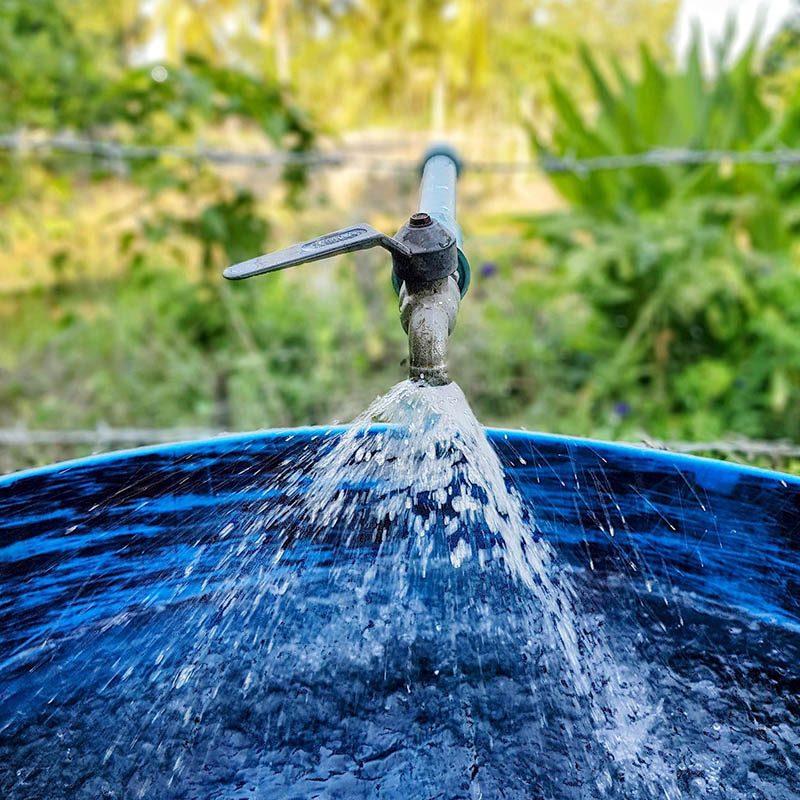
Basin faucets, as the name suggests, are faucets installed on sinks or washbasins. The design of this faucet is usually simple and practical, focusing on providing a stable and convenient water flow. Its features are as follows:
The first is a simple structure.
Basin faucets usually consist of three parts: a handle, a pipe body, and a water outlet. The structure is simple and easy to install and maintain.
The second is wide applicability.
Basin faucets are suitable for various sinks and washbasins and are common equipment in homes and public places.
The third is a hot and cold adjustment.
Most basin faucets support hot and cold adjustment functions, which makes it convenient for users to adjust the water temperature as needed.
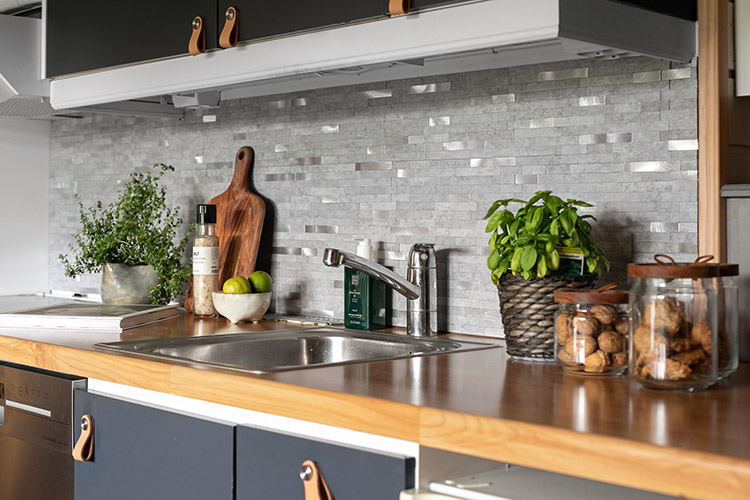
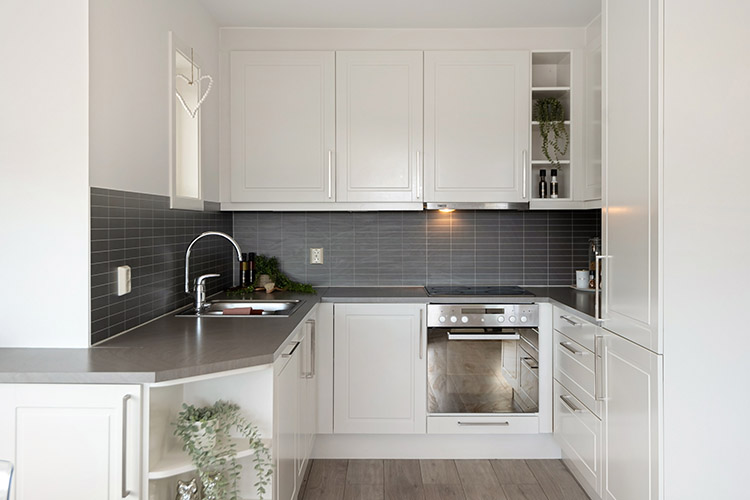
Sink faucets are usually installed on sinks in kitchens or bathrooms. Their main features are convenient operation and optimized water flow control. The detailed introduction is as follows:
The first is design and function.
The design of the sink faucet is more refined, especially considering the convenience of washing vegetables or dishes, and often has a pull-out or rotating design to make it easier to clean every corner of the sink.
The second is durability.
Due to frequent use, this faucet needs to have high durability, and its material is usually corrosion-resistant and wear-resistant materials such as stainless steel or brass.
The third is the nozzle and filtration.
Some advanced sink faucets are also equipped with nozzles and filtration functions to improve the purity and washing effect of water.
Bathtub faucets are mainly designed to fill the bathtub with water and adjust the water level and sometimes are equipped with nozzles or other additional equipment to improve the comfort of bathing. The following is a detailed introduction to bathtub faucets:
The first is the water-filling function. The main function of the bathtub faucet is to fill the bathtub with water and adjust the water level, so its water outlet is designed to be larger and the water outlet speed is fast.
The second is the nozzle design.
Some bathtub faucets are equipped with nozzles or massage functions, which can provide a more comfortable bathing experience. These nozzles can usually adjust the water flow intensity and direction to meet different needs.
The third is durability and leak-proof.
Due to long-term use and changes in water pressure, bathtub faucets need to have high durability and leak-proof performance. They are usually made of high-quality materials such as stainless steel or brass to ensure stability and reliability for long-term use.
Shower faucets are indispensable equipment in the bathroom. Their design focuses on providing a continuous and stable flow of hot water, while also taking into account safety and ease of use. The detailed features are as follows:
The first is a hot and cold adjustment.
The main function of the shower faucet is to adjust the ratio of hot and cold water to provide a suitable shower water temperature. Most shower faucets support hot and cold adjustment functions to ensure the comfort of users during use.
The second is multiple settings.
Some high-end shower faucets are also equipped with a variety of water outlet modes (such as massage mode, spray mode, etc.) to meet the shower needs of different users.
The third is safety design.
Shower faucets are usually also equipped with anti-scalding protection devices or safety locking functions to prevent accidents such as scalding due to misoperation.
In short, although these four faucets are necessities in daily life, they have their characteristics in function and design. Different types are suitable for different occasions and environmental requirements, bringing convenience and comfort to our lives.
The difference between single-handle single-control, single-handle double-control and double-handle double-control faucets
Brushed nickel faucet or a chrome faucet, Which is better for you?