Brushed Nickel vs. Chrome Faucets—Which Suits Your Space Best?
Why Faucet Finish Matters More Than You Think
A faucet’s finish isn’t just for decor — it plays into a faucet’s durability, maintenance needs and overall style, too. Different finishes hide scratches better than others, some are easier to clean and show fewer water spots, and some can pull together cabinets, countertops and lighting in ways that fully redesign a room. This is why the comparison between brushed nickel vs chrome faucets is so fitting – they have both held up over the years and provide very different lifestyles and needs.
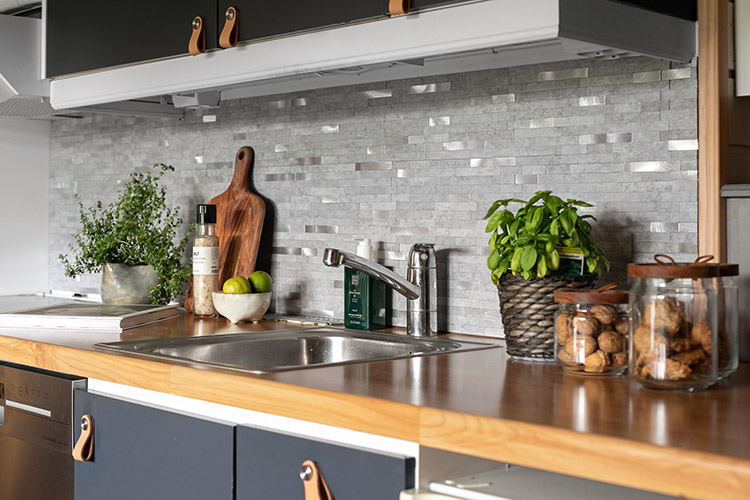
Understanding Brushed Nickel Faucets: Brushed nickel gets its name from the process used to create it, where nickel plating is applied to the faucet body and then lightly brushed to create a soft, matte texture that results in a warm, slightly muted silver-gray tone. I’ve always appreciated brushed nickel for its low-maintenance nature, because it hides fingerprints, smudges, and water spots far better than polished finishes, and its warm aesthetic pairs beautifully with wood cabinets, beige tiles, and earthy countertops, offering a timeless appeal that doesn’t scream for attention but instead blends seamlessly into almost any design. Of course, brushed nickel isn’t without its drawbacks, as it can be a bit pricier than other finishes, and using harsh cleaners over time may cause slight discoloration, but in my experience, the visual payoff and practicality usually outweigh these minor concerns.
Understanding Chrome Faucets: Chrome faucets are created by electroplating a thin layer of chromium onto the base metal, giving them that signature bright, mirror-like shine. People love chrome because it offers a clean, modern look that instantly brightens a space, it’s generally more affordable than other finishes, and you can easily find a wide variety of designs in stores or online. On the downside, that same reflective surface shows fingerprints, water spots, and scratches much more easily, which means it usually requires more frequent cleaning to maintain its polished appearance. Despite these maintenance needs, the bold, gleaming look of chrome can make a kitchen or bathroom feel contemporary and striking, which is why so many homeowners still choose it over other finishes.
Brushed Nickel vs Chrome Faucets: A Detailed Comparison
When comparing brushed nickel vs chrome faucets, the differences become clear when you look at appearance, maintenance, durability, and cost all together. Brushed nickel offers a soft, matte, warm appearance that blends naturally with a variety of interior designs, while chrome delivers a bright, reflective, and modern look that instantly draws attention. In terms of maintenance, brushed nickel excels because it conceals smudges and water spots, whereas chrome requires more frequent wiping to maintain its sparkle. Durability-wise, both finishes resist corrosion, but brushed nickel tends to hide scratches better, which keeps it looking newer for longer, and when it comes to cost, chrome generally comes in more budget-friendly while brushed nickel may carry a slightly higher price tag. Considering all these factors together helps me evaluate which finish will feel right for the space I’m designing or updating.
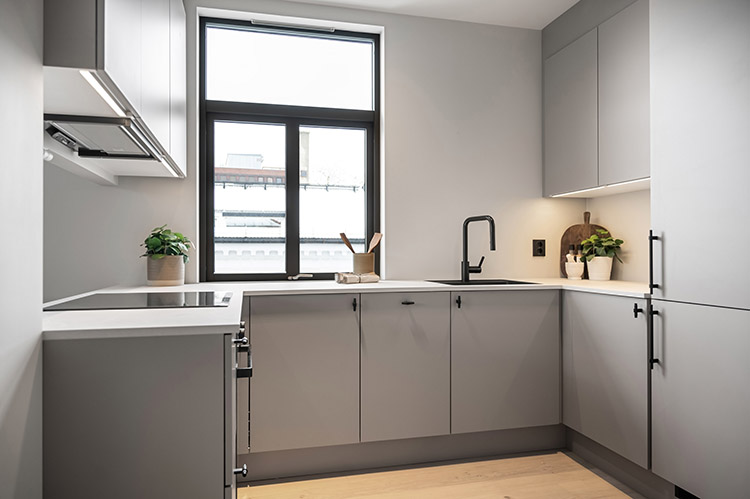
Selecting the best bathroom faucet finish goes beyond durability; it’s about creating harmony in your space and matching the faucet with your personal style. If your bathroom or kitchen features warm tones, like beige tiles, wooden cabinets, or earthy countertops, brushed nickel works beautifully because it blends subtly without overpowering the room. On the other hand, if you prefer glossy cabinets, glass accents, or a minimalist design, chrome stands out as a statement piece, reflecting light and making the space feel brighter and more open. In transitional spaces that mix modern and classic elements, I often find brushed nickel to be more versatile because it complements both warm and cool tones, allowing the faucet to integrate seamlessly into a range of design schemes.
A faucet can look gorgeous in a showroom, but the reality of daily life often changes my perspective. Families with kids may prefer brushed nickel because it minimizes the need for constant cleaning, while singles or couples who value aesthetics might choose chrome, provided they are willing to perform the occasional wipe-down. In my own experience, having chrome in a kitchen required nearly daily attention to maintain its pristine shine, whereas a brushed nickel bathroom faucet needed only occasional cleaning, which makes it feel much more practical for high-use areas.
Weighing the pros and cons brushed nickel chrome helps clarify which finish is best for different scenarios. Brushed nickel shines in its ability to hide smudges and water spots, offers a warm and versatile look, and tends to last longer without showing wear, but it can be more expensive and may develop slight discoloration if exposed to harsh cleaners. Chrome, conversely, provides a sleek, reflective surface that brightens and modernizes a space, is generally affordable and widely available, and can act as a bold design statement, yet it shows fingerprints and water spots easily, requires frequent cleaning, and scratches tend to stand out more. Considering these trade-offs carefully allows me to choose a finish that balances aesthetics, practicality, and lifestyle needs.
Durability isn’t only about resisting scratches—it’s about how the finish performs over time and maintains its visual appeal. Both brushed nickel and chrome resist corrosion well, but in my experience, brushed nickel continues to look newer longer simply because it disguises minor wear and tear, whereas chrome, despite its resilience, reveals even small imperfections almost immediately. If you’re investing in a faucet with the intention of keeping it for a decade or more, the slightly higher cost of brushed nickel often pays off in reduced maintenance and enduring beauty.
When choosing the best bathroom faucet finish, it’s important to consider how it will coordinate with other fixtures in your space. Brushed nickel tends to harmonize with stainless steel appliances, brushed or matte cabinet handles, and warm-toned lighting, creating a cohesive, inviting environment, while chrome pairs beautifully with polished or glass knobs, bright white lighting, and modern cabinetry, making the faucet feel like a statement piece. Taking a holistic view ensures that the faucet doesn’t feel isolated but instead integrates naturally with the overall design of the kitchen or bathroom.
Deciding between brushed nickel vs chrome faucets ultimately comes down to personal priorities and lifestyle considerations. Brushed nickel wins for low-maintenance appeal, timeless warmth, and versatility, whereas chrome impresses with affordability, bold shine, and a contemporary aesthetic. For me, the best bathroom faucet finish is always the one that matches both the visual style and the practical demands of the space, whether that’s a high-use family bathroom where durability and ease of cleaning matter most or a sleek, modern kitchen where visual impact is the priority.
Choosing between brushed nickel vs chrome faucets is less about one finish being objectively “better” than the other and more about understanding how each aligns with your lifestyle, design goals, and maintenance preferences. After weighing the pros and cons brushed nickel chrome, it becomes clear that the right choice enhances not only the look of a room but also its functionality. Whether you lean toward the warm, forgiving beauty of brushed nickel or the gleaming, reflective charm of chrome, making an informed choice ensures that your faucet remains both a stylish and practical centerpiece in your home.
Fixing a Loose Faucet Handle: A Guide for Wholesalers