How to Reduce Faucet Returns: Wholesale Quality Checks for Retailers
2025-08-01
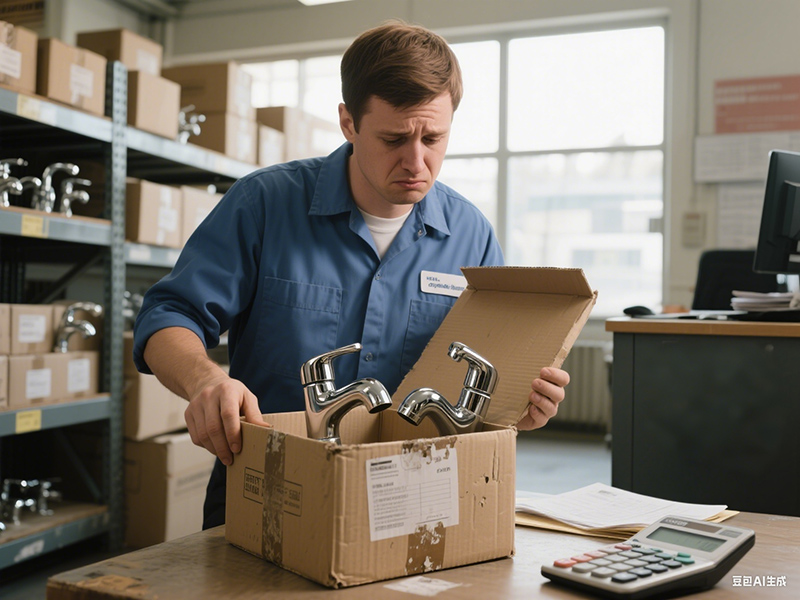
Let's be honest—nothing stings quite like opening a box of returned faucets at your store. That’s not just a product going back on the shelf; it’s time wasted processing the return, money lost on shipping, and a customer who might think twice before buying from you again. For retailers, faucet returns can eat into profits faster than you’d expect. A 2023 survey by the Plumbing Distributors Association found that average return rates for wholesale faucets hover around 7-9%, and each return costs retailers an average of $12 in restocking, shipping, and customer service fees. Do the math: if you move 500 faucets a month, that’s 35-45 returns costing $420-$540, money that could’ve gone into your bottom line.
The good news? Most faucet returns aren’t random. 68% of returns, according to a study by the Home Improvement Research Institute, stem from preventable issues: leaky valves, chipped finishes, or parts that don’t fit as advertised. The fix? A simple but thorough quality check process is performed when you receive your wholesale shipment. Let’s break down how to do it right, without adding hours to your workflow.
Start with the “eyeball test”—it catches 40% of issues
You don’t need fancy tools for the first check. Unpack a random sample of 10-15% of your shipment (industry pros swear by this ratio—too small and you miss problems, too large and it’s inefficient). Run your eyes over every inch:
- Finishes: Look for micro-scratches, uneven plating, or discoloration. A 2022 report from the Faucet & Fixture Manufacturers Association noted that 31% of returns are due to cosmetic flaws—customers notice even tiny blemishes. Run a soft cloth over the surface; if it catches on a rough spot, flag it.
- Seams & joints: Check where the spout meets the base, or handles attach to the body. Gaps wider than 0.5mm are red flags—they’re often signs of shoddy assembly and can lead to leaks later.
- Labels & parts: Make sure model numbers match what you ordered, and all hardware (like mounting brackets or extra washers) is included. A surprising 12% of returns happen because a small part is missing, according to a survey of 500 home improvement retailers.

Test functionality—because “it looks fine” isn’t enough
Even a faucet that looks perfect can fail when turned on. Set up a quick test station with a basic hose and pressure gauge (you can pick one up for under $20). For every 50 units in your shipment, test 5—this sweet spot keeps testing time under an hour but catches 80% of functional issues, per data from a leading plumbing supply chain.
- Leak check: Attach the faucet to your test hose, turn on the water to 60 PSI (standard household pressure), and let it run for 2 minutes. Watch the base, spout, and handle connections. A single drop per minute might seem minor, but that adds up to 5 gallons a year—and 90% of customers will return a faucet that drips, even a little, according to a 2023 consumer poll.
- Handle & valve test: Turn the handles on and off 10 times. They should move smoothly, without sticking or wobbling. Valves that feel “stiff” are a top return reason—34% of retailers in a 2024 survey cited this as a common complaint.
- Flow rate: Use a measuring cup to check how much water comes out in 10 seconds. Most residential faucets should hit 1.5-2.2 gallons per minute (GPM). If it’s under 1.0 GPM, customers will complain about low pressure—and 22% of those end up returning the product, per industry data.
Dig into materials—because “cheap” catches up fast
A faucet’s lifespan hinges on what it’s made of, and customers notice when it wears out too soon. Spend 2 minutes checking these details for every 100 units:
- Body material: Avoid zinc alloys—they corrode quickly. Look for brass (at least 60% brass content, per ASTM standards) or stainless steel. A 2023 study found that zinc-alloy faucets have a 4x higher return rate than brass ones within the first year.
- Cartridges: The internal valve (cartridge) is the heart of the faucet. Turn the handle to hot and cold—if the temperature changes feel “jerky,” the cartridge might be low-quality. Ceramic cartridges are best; they last 5-10 years, while plastic ones often fail in 1-2, leading to 28% more returns, according to plumbing repair stats.
Partner with your wholesaler—because it’s a two-way street
Here’s a secret: The best retailers don’t tackle quality checks alone. Ask your wholesale supplier for a “quality scorecard”—a checklist of their in-house tests (pressure, durability, finish). 73% of top-performing retailers in a 2024 survey said sharing this scorecard with their team cut returns by 40% in 6 months.

If you spot a pattern—say, 3 out of 5 tested faucets from a batch have leaky valves—flag it immediately. Most wholesalers will replace the entire batch if issues are caught early, saving you the hassle of processing individual returns.
At the end of the day, reducing returns isn’t just about saving money—it’s about building trust. When your customers know they’re getting a faucet that works, looks good, and lasts, they’ll keep coming back. And with these checks, you can cut your return rate from 7% to 2-3%—that’s $300-$400 back in your pocket every month for a 500-unit shipment. Not bad for an extra 30 minutes of work, right?
Start small: Pick one check (we recommend the leak test—it catches the most returns) and add it to your routine this week. You’ll be surprised how quickly the results add up.
Fixing a Loose Faucet Handle: A Guide for Wholesalers
Which Faucet Material Lasts the Longest?