Ultimate Guide: How to Choose the Ideal Faucet Material for Durability
2025-03-13
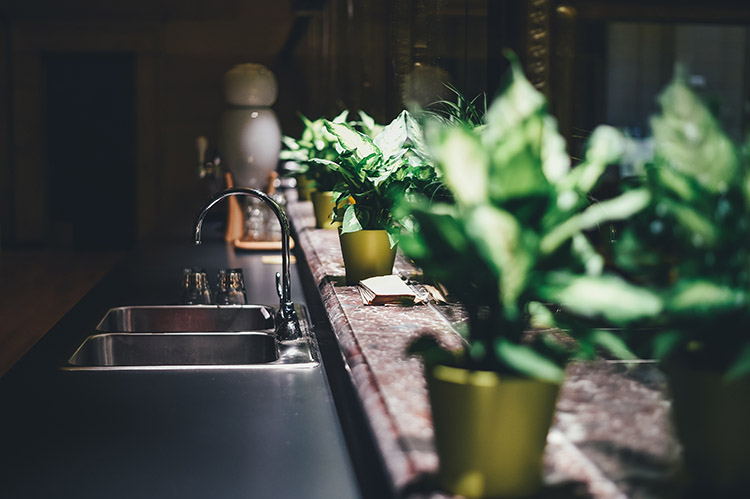
When you wash fruits and vegetables in the kitchen or enjoy a shower in the bathroom, have you ever thought that the core material of the faucet that supports these daily experiences determines whether it can accompany you for ten years or even longer? This article will reveal the performance differences of different materials and teach you to combine the latest design trends to choose a faucet that is both beautiful and long-lasting.
Material War: Who is the real "King of Durability"?
Brass: The Modern Evolution of the Classic Choice
Brass has long occupied the high-end faucet market due to its natural corrosion resistance and high strength. What's more surprising is that 84% of consumers have begun to pay attention to recycled copper materials, and its environmentally friendly properties have given brass a new life in the sustainable home wave.
Stainless Steel: The Cost-effective Choice for Minimalist
Medical-grade 304 stainless steel has become the first choice for mother-child families with its zero lead content and anti-rust properties. Its matte surface can perfectly hide water stains, but it should be noted that low-end stainless steel may cause leakage at the weld due to insufficient thickness. It is recommended to choose products with a wall thickness of ≥1.2mm and give priority to laser seamless welding technology.
Zinc alloy: Beware of the "plating trap"
Although zinc alloy casting is cheap, its hardness is only 1/3 of that of brass. Users of an e-commerce platform reported that the plating of low-priced zinc alloy faucets peeled off after one year of use, and internal oxidation caused the water flow to decrease. If your budget is limited, be sure to confirm whether the product has passed the ISO 9001 plating adhesion test (choose millano, our products have the certification you need).
Surface treatment: a double game of appearance and durability
Matte black: Risk warning of popular online products
In 2024, matte black accounted for 37% of global high-end bathroom sales, but its PVD coating process varies greatly, and inferior coatings may show scratches after three months.
Brushed gold: the process revolution behind the light luxury style
The upgrade from traditional electroplating to IP ion plating technology has increased the scratch resistance of brushed gold surfaces by 60%, but it needs to be maintained with regular silicone oil.
The upgrade from traditional electroplating to IP ion plating technology has increased the scratch resistance of brushed gold surfaces by 60%, but it needs to be maintained with regular silicone oil.
Tips for purchasing: three steps to lock the ultimate answer
Tap and listen method
Tap the faucet body with a coin, brass will make a deep and rich "dong" sound, while zinc alloy will make a crisp "ding" sound.
Weight comparison method
The weight of a high-quality brass single-hole kitchen faucet is usually 1.8-2.3kg, while the same size zinc alloy is only about 1.2kg.
Certification mark verification
Be sure to check NSF/ANSI 61 certification (heavy metal precipitation standard) and Watersense water-saving label to avoid the "pseudo-environmental protection" trap.
Choosing a faucet is like finding a lifelong partner, and the material is the cornerstone of the relationship. Remember: the best investment is to make every little bit of daily life stand the test of time
The Guide To Choosing A Durable And Stylish Kitchen Faucet
The Ultimate Guide to Bathroom Faucet Installation: Full Process Analysis from Tool Preparation to Acceptance Criteria